Image
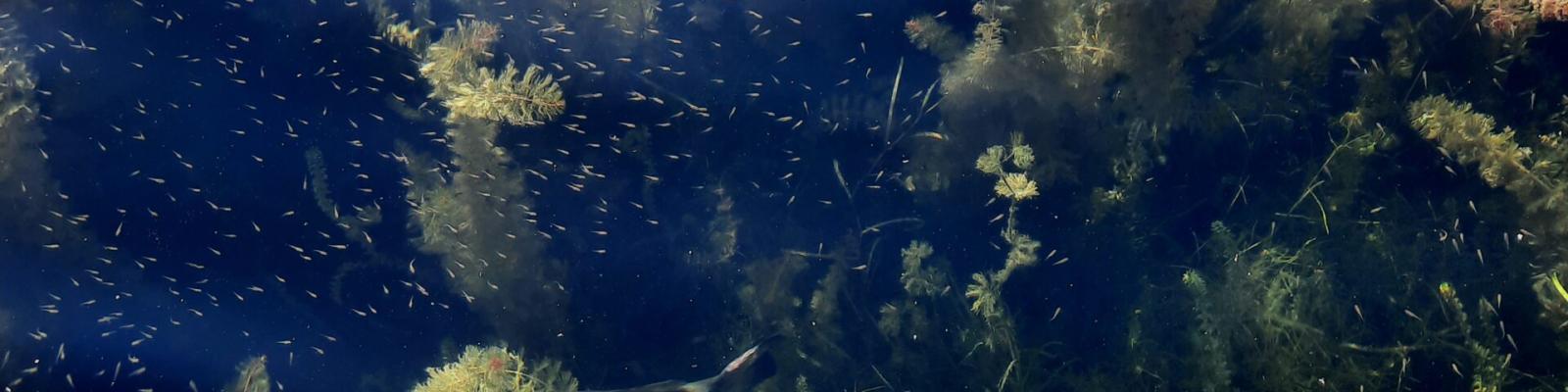

Invasive species are non-native species that have been introduced by humans outside of their natural areas of distribution. They have few predators, reproduce quickly, thrive in disturbed systems, are adaptable, and out-compete others for food and habitat. Invasive species are a threat to Georgina Island’s biodiversity because they can move into ecosystems and take over; disrupting food webs, degrading habitats, introducing parasites and disease, and endangering or killing native species.
You can learn more about the invasive species management activities we have undertaken below, as well as tips on how you can help and species to be aware of.
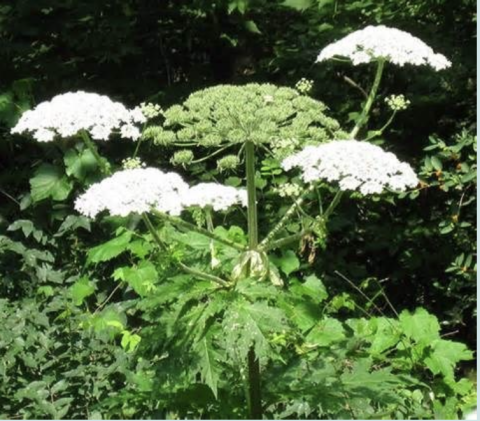
Giant hogweed (Heracleum mantegazzianum) is a perennial plant and a member of the carrot family. It is a garden ornamental from southwest Asia that is naturalizing in North America and becoming more common in southern and central Ontario. Giant gogweed has the potential to spread readily and grows along roadsides, ditches and streams. It invades old fields and native habitats such as open woodlands.
The clear watery sap of giant hogweed contains toxins that can cause severe inflammation of the skin. You can get severe burns if you get the sap on your skin and the skin is then exposed to sunlight. Symptoms occur within 48 hours and consist of painful blisters. Purplish scars may form that last for many years. Eye contact with the sap has been reported to cause temporary or permanent blindness, but this has not yet been substantiated by research. Do not try to remove giant hogweed — call a professional.
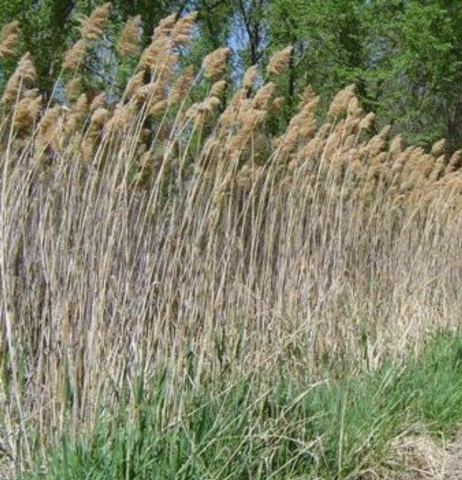
Invasive phragmites (European Common Reed) is an aggressive plant that spreads quickly and out-competes native species for water and nutrients. It releases toxins from its roots into the soil to hinder the growth of and kill surrounding plants. While it prefers areas of standing water, its roots can grow to extreme lengths, allowing it to survive in relatively dry areas. It has stems that are tan or beige in colour with blue-green leaves and large, dense seedheads.
Invasive phragmites has established on Georgina Island. This ornamental grass is causing serious problems to our waterways, native plants and animals. During our ongoing fight for eradication, we ask everyone to refrain from transplanting any ornamental reeds or grasses. Visit the link below to learn more.
Great Lakes Phragmites Collaborative
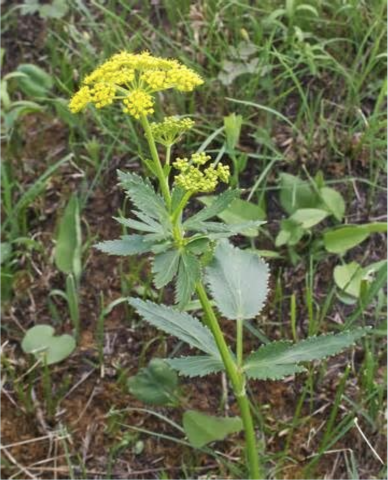
Similarly to giant hogweed, some people develop a rash or burn from contact with wild parsnip. Use extreme caution and use gloves to pick it. The root is edible.
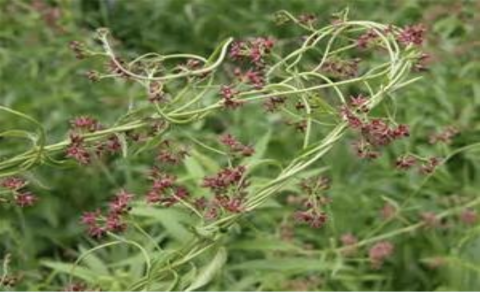
Dog-strangling vine prefers open sunny areas, but can grow well in light shade. It grows aggressively up to two metres high by wrapping itself around trees and other plants, or trailing along the ground. Dense patches of the vine can 'strangle' plants and small trees. Dog strangling vine can affect insects like the Monarch Butterfly because it looks similar to native Milkweed – the butterfly will lay its eggs on it, but dog strangling vine can not sustain its larvae.
Dog Strangling Vine Booklet [PDF/1.2MB]
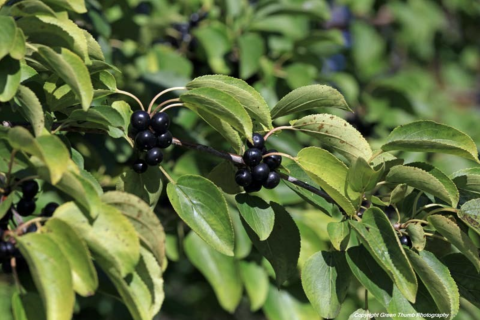
Buckthorn thrives in a variety of habitats and forms dense thickets that crowd and shade out native plants. It can alter nitrogen levels in the soil, creating better conditions for its own growth and discouraging the growth of native species. Common buckthorn is usually the first shrub to leaf out in the spring and the last to drop its leaves late in the fall. It often grows two to three metres tall. Occasionally it reaches six metres, with a trunk up to 25 centimetres in diameter. It has smooth, dark green leaves that are finely toothed, 2.5 to 6 centimetres long, and arranged in opposing pairs along the stem. Most branches older than one opposing pairs along the stem. Most branches older than one year end in a short, sharp thorn. Flowers have two to six small yellowish-to-green petals. Common buckthorn produces clusters of berry-like black fruit in late summer and fall.
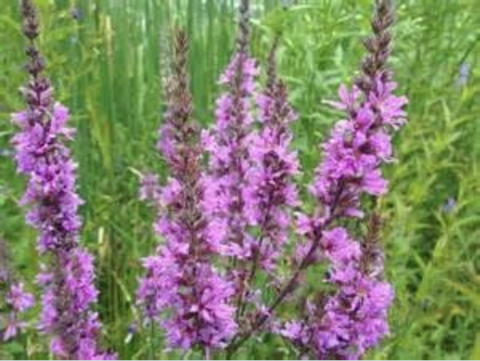
Purple Loosestife is a very hardy perennial which can rapidly degrade wetlands and diminish their value for wildlife habitat. Many plants, mammals, birds, insects, amphibians, and reptiles rely on a healthy wetland for their survival.
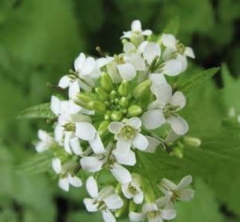
Chemicals in garlic mustard appear to be toxic to the eggs of the butterfly, as evidenced by their failure to hatch when laid on garlic mustard plants. Many native wildflowers that complete their life cycles in the springtime (e.g., spring beauty, wild ginger, bloodroot, hepatica, toothworts, and trilliums) occur in the same habitat as garlic mustard. Once introduced to an area, garlic mustard outcompetes native plants by aggressively monopolizing light, moisture, nutrients, soil and space.
This guide from The Ontario Invasive Plant Council identifies invasive garden plants and provides suitable native or non-native, non-invasive alternatives.
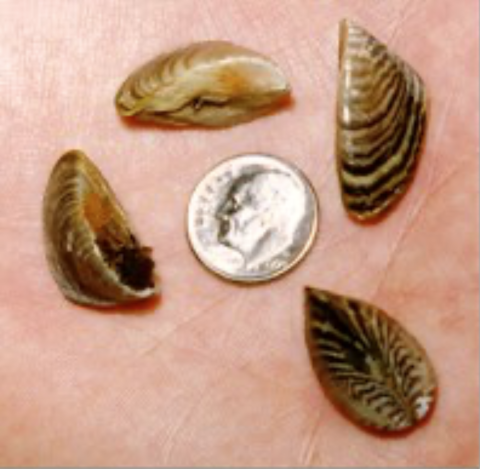
Zebra mussels threaten native fish and wildlife by reducing species of algae and microscopic aquatic animals that are important for the food chain. They attach to native mussels and crayfish, making it hard to them to survive. Zebra mussels negatively impact essential power and water-based infrastructures by obstructing water-intake pipes, such as those used in public drinking water supply and cooling systems.
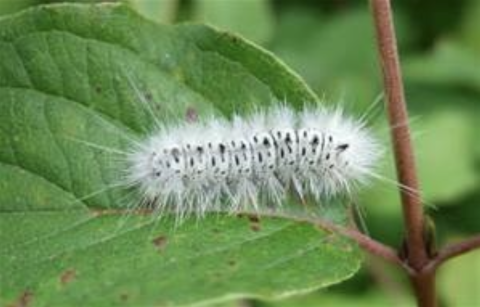
There have been reports of the Hickory Tussock Caterpillar on Georgina Island. Do not handle these caterpillars — their fluffy tufts are venomous. Symptoms range from skin reddening to a burning sensation with swelling pain and even nausea. Itching and burning is instant when stung. If stung, wash the area, apply ice and calamine lotion. For more severe reactions, see a medical professional as soon as possible. Also beware of their cocoons and when cleaning up leaves and debris that their little hairs can be deposited on.
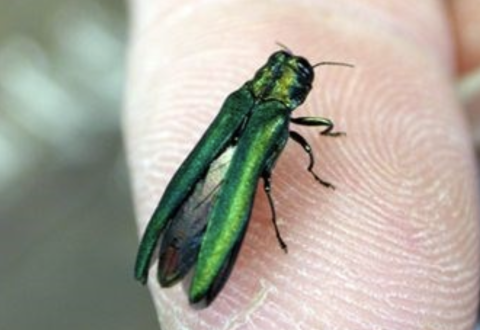
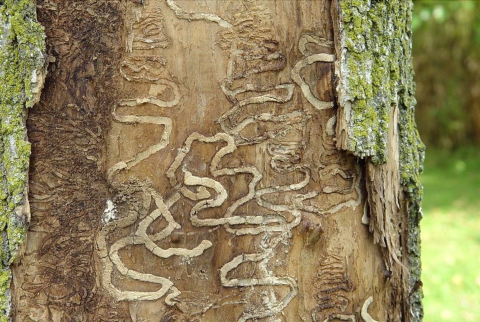
Be careful what you bring to the island — wood from other areas has brought the Emerald Ash Borer to Georgina Island and ash trees are at risk. The EAB has killed millions of trees in Ontario. Look for signs of infestation: thinning crown, diminished density of leaves, evidence of adult beetles feeding on leaves, long shoots growing from trunk or branches, vertical cracks in trunks, small D-shaped emergence holes, and S-shaped tunnels under the bark filled with fine sawdust.
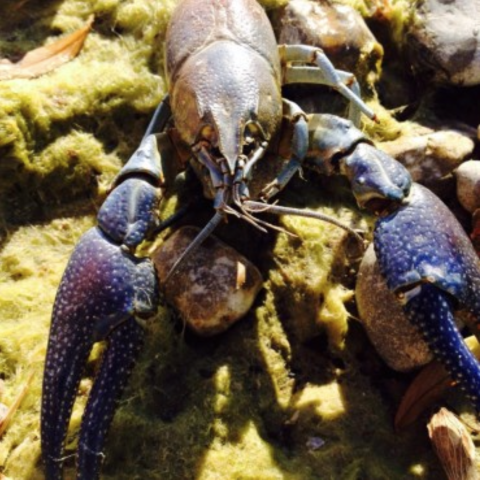
Rusty crayfish represent a significant environmental concern to Lake Simcoe because they are an aggressive invasive species, are prolific spawners, and can severely reduce lake and stream vegetation, depriving native fish of cover, spawning habitat and food. Rusty crayfish have been found at the north end of the island.
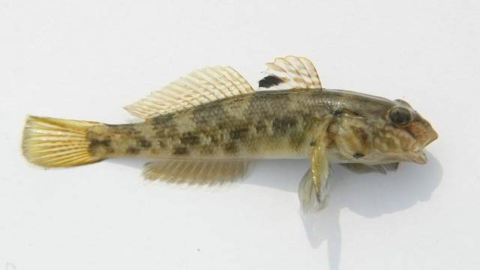
Round goby have reduced populations of sport fish by eating their eggs and young and competing for food sources. Researchers believe the round goby is linked to outbreaks of botulism type E in Great Lakes fish and fish-eating birds. The disease is caused by a toxin that may be passed from zebra mussels, to goby, to birds, resulting in large die-offs of fish and birds.
Kelsey Trivett is Anishinaabekwe from Georgina Island First Nation. She graduated from the Queen’s Indigenous Teacher Education Program and has taught Anishinaabemowin and land-based learning from an Indigenous worldview. She believes in community and Indigenous stewardship of our lands and waters, Indigenous food sovereignty and language revitalization. She enjoys being on the water and in the bush, learning about plants, medicines and appreciating Mother Earth.